
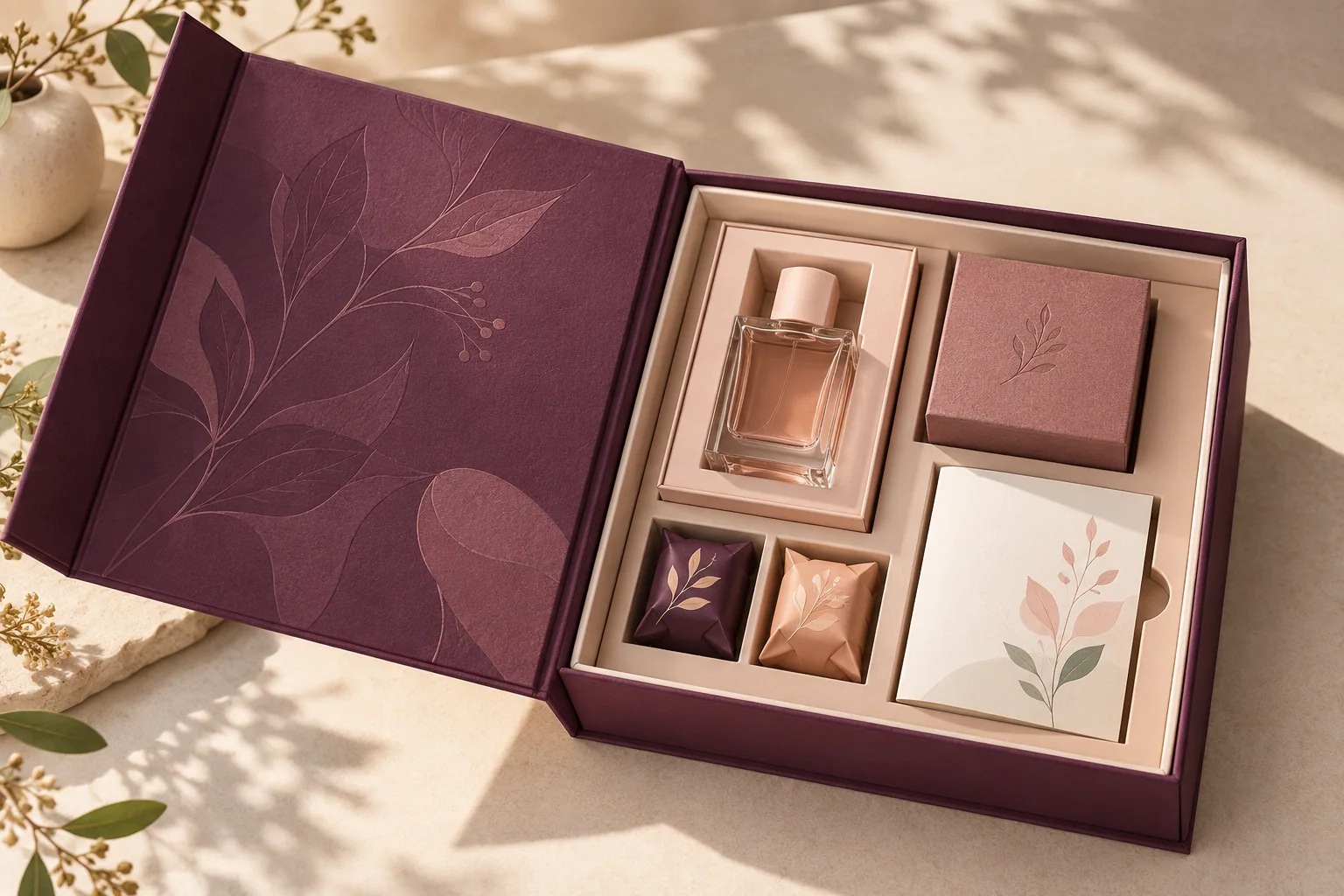
Valentine’s Day gift box packaging is a seasonal product decision as much as a design exercise. Brands need to make a set feel giftable, protect the products, fit the price point and reach the intended customer on time. The opportunity now extends beyond a single romantic archetype: the same season can include gifts for partners, friends, family, colleagues, classmates and even pets.
This 2027 guide is for brand teams, retailers, gift companies and packaging buyers planning custom Valentine’s gift boxes. It explains how to define the gifting audience, compare practical paper-box formats, build a useful seasonal edition and prepare a production brief. It is not a trend prediction that one palette or shape will work for every market; use the examples as a framework to test against your own customer and product.
Why Valentine’s packaging should speak to more than romance
The National Retail Federation’s 2026 U.S. Valentine’s Day survey projected spending of $29.1 billion. The same survey found that planned gifts were not limited to romantic partners: 33% of surveyed consumers planned to buy for friends, 27% for classmates or teachers, 21% for coworkers and a record 35% for pets. These are U.S. consumer plans for 2026, not a global forecast or a guarantee of 2027 demand, but they illustrate how the gifting audience can widen beyond couples. Read the NRF 2026 Valentine’s Day survey release.
Packaging design coverage points in a similar creative direction. Together Design’s Spring/Summer 2026 trend report describes Valentine’s packaging that reaches beyond roses and traditional romance, with examples framed around best friends, Galentine’s celebrations and more playful relationship stories. Messe Frankfurt’s October 2026 gift-packaging article also highlights bold color, graphic patterns, custom details and distinctive paper as approaches that can make seasonal packaging relevant beyond Christmas. These sources are examples and design signals—not controlled tests proving a specific package will increase sales. See Together Design’s SS26 trend report; Read Messe Frankfurt’s gift packaging trend article.
For a packaging buyer, the actionable question is therefore not simply, “What is the Valentine’s color?” It is: “Who is receiving this gift, what should the package communicate, and how must the complete set perform in retail, handoff or delivery?” That question usually leads to a stronger concept and a more useful supplier conversation.
Start with the gifting audience and product
Before choosing artwork, write one sentence about the recipient and the moment. A premium fragrance gift for a partner, a small treat for a friend, a classroom exchange pack and a company appreciation gift all have different needs. Their price points, number of recipients, product mix, packing speed and route are not interchangeable.
- Partner or family gift: prioritize a considered reveal, product protection and a clear brand story.
- Friendship or group gifting: make the pack easy to understand, share and distribute; a compact carton or coordinated multi-pack may be more practical than a large keepsake box.
- Workplace, school or event gifting: plan repeatable assembly, quantity, message versions and delivery splits before approving decorative details.
- Self-care or self-gifting: let the product experience lead; a restrained seasonal accent can feel relevant without making the package difficult to use afterward.
- Pet gifting: keep pet products in their appropriate product packaging and design the outer gift presentation around the actual item size, use and handling needs.
Next, inventory the products in the set. Record each finished retail pack’s dimensions, weight, orientation and fragile areas. Include caps, protective wraps, closures and any primary cartons. If the gift includes more than one item, sketch the arrangement and decide whether a greeting card, product story or message should be seen first when the box opens.
This is especially useful for mixed sets. A small perfume carton, jewelry case and chocolate sleeve may look similar in a mood board but have different heights, weights and contact surfaces. A simple product map helps the packaging designer identify constraints before the structure and artwork are locked.
Choose a gift-box format for the handoff
There is no universally best Valentine’s gift set packaging format. Compare the box based on the job it must do: sit on a shelf, make a premium handoff, distribute to many recipients or travel through parcel delivery.
Folding carton
A practical candidate for light products, smaller gifts or multiple units where efficient storage and assembly matter. Confirm closure, board stiffness, product visibility and any separate transit protection.
Rigid lid-and-base box
A structured option for curated beauty, jewelry, fragrance or chocolate gifts. Consider the perceived value alongside packed weight, storage volume, insert construction and cost.
Magnetic or book-style box
Useful when the lid and reveal are part of the gift moment. Check closure strength, opening direction and clearance so the lid does not press against tall or delicate products.
Mailer plus gift box
A shipping mailer may protect the parcel while a presentation box creates the gift experience. Treat the outer shipper and inner gift box as related but distinct parts of the packaging system.
Brands can compare rigid gift boxes for a structured presentation and magnetic gift boxes when a hinged reveal suits the product. The product and delivery route should decide between them. A construction that feels premium but is too large, difficult to pack or unsuitable for the intended route may not be the right answer.
Build a 2027 seasonal look without relying on clichés
Red and pink are familiar Valentine cues, but they are not mandatory. Start with the brand’s existing visual language and decide how much seasonal change the campaign needs. A strong edition might use one color shift, a graphic pattern, a tactile paper, an illustrated sleeve or a message card. The package should still look like it belongs to the brand.
Recent gift-packaging coverage from Messe Frankfurt points to bold colors, expressive patterns, distinctive surfaces and customized details as current directions across gift packaging. Together Design’s seasonal report gives examples of Valentine concepts that use humor and a broader definition of affection. For your own brand, treat those observations as a creative starting point: mood-board a few directions, test them against the product, target customer and retail thumbnail, then choose the one that remains legible and manufacturable. Explore Messe Frankfurt’s material and design examples.
Useful design questions include:
- Will the box be recognized as a Valentine edition without obscuring the brand?
- Does the artwork make sense for the recipient group, rather than assuming every gift is romantic?
- Can the main graphic and product be understood in a small online product image?
- Does the chosen finish support the concept, or is it being added simply because it is seasonal?
- Can the same approved structure be used for more than one artwork version?
Finishes should serve a purpose. Foil, embossing, a soft-touch surface or specialty paper can create contrast and tactile interest, but adding every effect can complicate approval and production. Keep the design brief specific: name the focal point, intended material feel, print areas and any finish that is essential to the concept.
Use seasonal components to manage product versions
A useful way to keep seasonal artwork flexible is to separate the stable box structure from the changeable campaign components. A base box may remain the same while a printed sleeve, card, belly band or label changes for Valentine’s Day, friendship gifting or another seasonal event. This can help a brand plan related editions without redesigning every part of the package—but it only works when the underlying box and insert still suit the products and the approved pack-out.
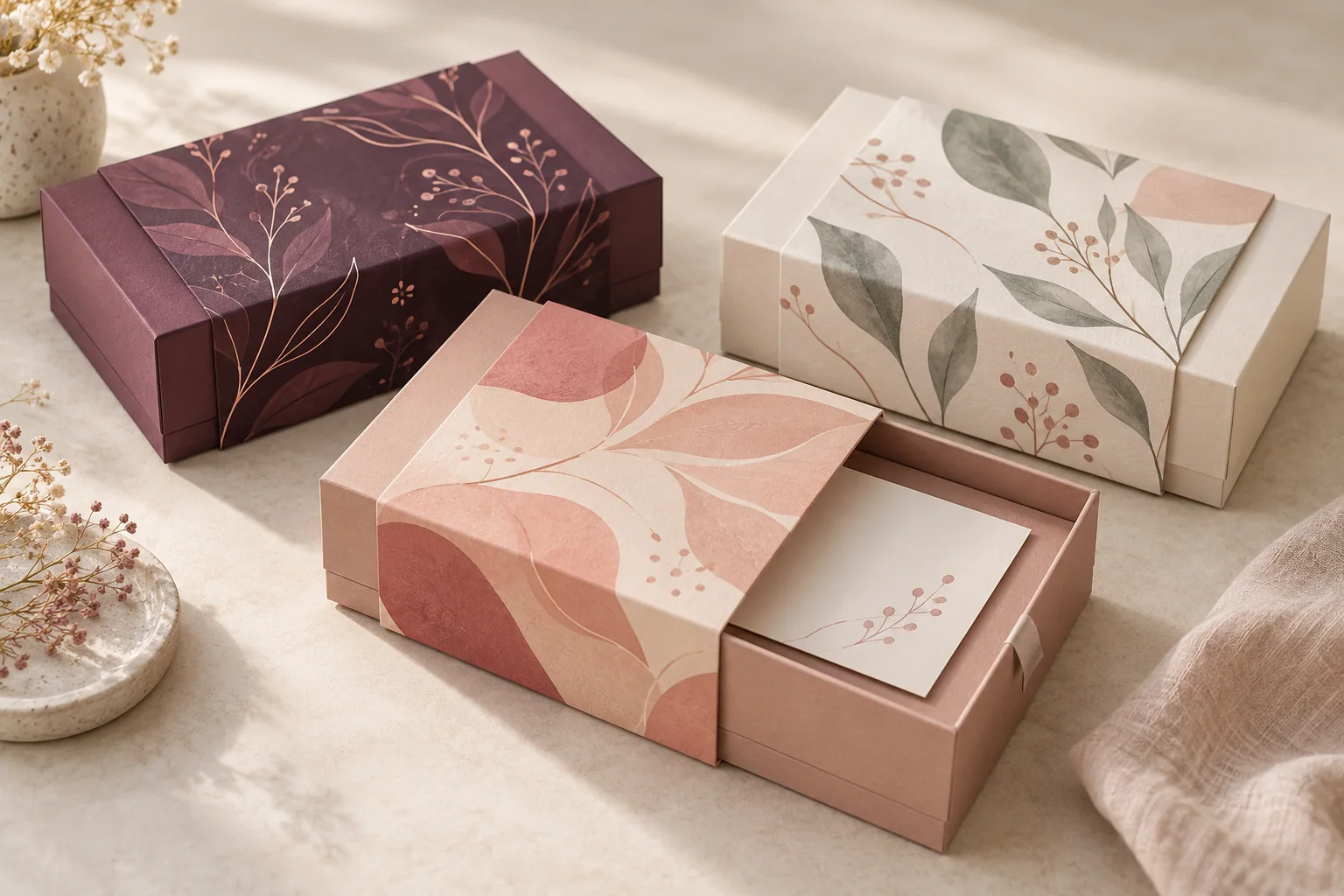
For versioning, agree on which details stay fixed and which may change. The fixed specification could include the box dimensions, board, insert drawing, closure and packing sequence. The variable layer could include a seasonal colorway, message card or sleeve artwork. Keep files and version names organized so the correct printed component is paired with the correct product set.
Personalization needs a clear boundary as well. Names or short messages can be handled through a card, label or planned print area, but each variable component adds proofing and fulfillment steps. The site’s personalized gift box packaging guide covers practical version control. If the gift set has several different products, use the custom packaging insert guide to plan fit and removal without turning this seasonal article into a generic insert manual.
Match the packaging to the product category
Valentine’s Day is a seasonal occasion across several product categories. A shared campaign identity can connect them, but the package still has to respect the product’s physical and commercial needs.
- Chocolate and confectionery: organize the set for a clear presentation and protect the primary product packs. Do not assume a decorative gift box, printed insert or coating is suitable for direct food contact; confirm any contact materials for the intended market and use.
- Fragrance and beauty: check bottle, cap and carton dimensions; keep the set stable and make sure the lid closes without pressure on the product. See the site’s perfume packaging and cosmetic packaging pages.
- Jewelry: protect small pieces from movement and abrasion while making the product easy to identify and remove. Explore jewelry packaging options.
- Candles and home fragrance: consider product weight, glass or ceramic surfaces, the intended orientation and how the set will be shipped. A presentation box and shipping carton may have different jobs.
- Mixed-category gift sets: use a product map and fitted compartments so tall, heavy or fragile pieces do not collide. Keep cards and small components from covering the main gift.
When a product is sold online, evaluate the complete packed parcel, not just the decorative box. The e-commerce packaging design guide can help frame the difference between presentation and transit protection.
Plan production backward from the in-hand date
Seasonal packaging has a fixed calendar, while custom production has several approval steps. Work backward from the date products must be available for sale or delivery. Confirm product readiness, dieline and artwork timing, structural sample review, printed proof, production, packing, dispatch and receiving buffers with the supplier. Avoid relying on a generic number of weeks: construction, quantity, component sourcing, revisions, shipping lane and destination can change the schedule.
For a new format, a sample is more than a visual check. Test how the actual products sit in the insert, whether the lid closes cleanly, whether the recipient can remove the contents and whether the finished gift can be packed consistently. For direct shipping, review the outer carton and the packed configuration as well.
Valentine’s campaigns may include multiple audiences or product variations. Decide early whether these need separate SKUs, different sleeves, different cards or different quantities. A common structure can simplify coordination, but only if it does not force different products into a poor fit. Keep the initial quantity plan realistic and compare a sample, pilot and repeat order as separate planning decisions. See the guide to gift box MOQ for questions to raise with a supplier.
What to include in a Valentine’s packaging brief
A useful brief gives a packaging partner enough context to recommend a structure rather than guess from a mood board. Include:
- Audience and occasion: romantic partner, friend, team, class, self-care or another recipient group.
- Product list: every item, unit count, finished pack dimensions, packed weight and fragile areas.
- Sales channel: retail shelf, event distribution, corporate handoff or e-commerce delivery.
- Box direction: preferred structure, opening style, insert, card placement and any need for an outer shipper.
- Artwork plan: brand assets, seasonal visual direction, variable messages and the number of versions.
- Commercial information: sample requirement, quantity range, delivery destinations and required in-hand date.
- Review criteria: what the sample must prove—fit, closure, product order, print, finish, pack speed or shipping readiness.
For a first quote, product dimensions, quantity, market and delivery date are more actionable than “make it premium.” A reference image is useful, but make clear which part is a reference—color, structure, insert layout or finish—so the supplier does not interpret it as a complete specification.
Leo Paper Box develops custom paper gift boxes and packaging for brands. Explore the site’s rigid gift box formats or magnetic gift box options, then send a packaging brief with your product list, dimensions, quantity and delivery plan.
Frequently asked questions
What is the best box for a Valentine’s Day gift set?
The best format depends on the products, quantity, presentation goal and shipping route. Folding cartons can suit lighter retail or group gifts, while rigid lid-and-base or magnetic boxes may suit premium sets. Choose only after checking the packed products, insert, assembly and delivery plan with a sample.
How can brands make Valentine’s packaging feel less predictable?
Keep the gift-ready cues but use a brand-led color palette, graphic pattern, illustration, tactile paper or removable seasonal sleeve instead of relying only on red hearts and generic romantic copy. The design should still make the occasion and the product easy to understand.
Can one gift box work for Valentine’s Day and other seasons?
Often, a stable box structure can be paired with a seasonal sleeve, card, belly band or other printed component. Confirm that the base dimensions and insert suit the products across versions, and check the finished sample before using the same structure for another campaign.
What should a brand include in a Valentine’s gift box brief?
List the products and their packed dimensions and weights, the audience and sales channel, desired box format, insert needs, target quantity, artwork status, destination market and in-hand date. Include product photos or a layout sketch when the set contains different shapes.
When should a brand start planning custom Valentine’s Day packaging?
Work backward from the required arrival date and allow time for product confirmation, artwork, structural sampling, approvals, production, packing and shipping. Timing varies by construction, quantity, factory schedule and destination, so agree on a project-specific calendar with the supplier.
Research and real-world references
- National Retail Federation, “Valentine’s Day Spending Expected to Reach New Records” (January 27, 2026) — U.S. consumer plans for recipients and spending; figures are survey expectations for 2026, not measured 2027 sales.
- Together Design, “Trend Report SS2026” — creative examples showing Valentine’s concepts broadening beyond traditional romantic cues.
- Conzoom Solutions / Messe Frankfurt, “Gift packaging trends: materials, colours & customised solutions” (October 2, 2026) — current examples of custom details, graphic surfaces, color and materials in gift packaging.
Editorial note: The NRF data is U.S.-specific, and the design reports provide examples and directional inspiration rather than universal performance guarantees. Validate artwork, materials, box structure and timing for the product, buyer and destination market.